
Speed roulette looks harmless on the surface: the same wheel, the same bets, a faster rhythm. At the live tables, that rhythm changes the economics of the game more than most players admit. One night at Bellagio, watching a crowded roulette pit turn into a near-constant stream of decisions, the lesson was obvious: speed does not create better odds, but it does compress variance, bankroll burn, and bonus turnover into a much shorter session. That is the real story.
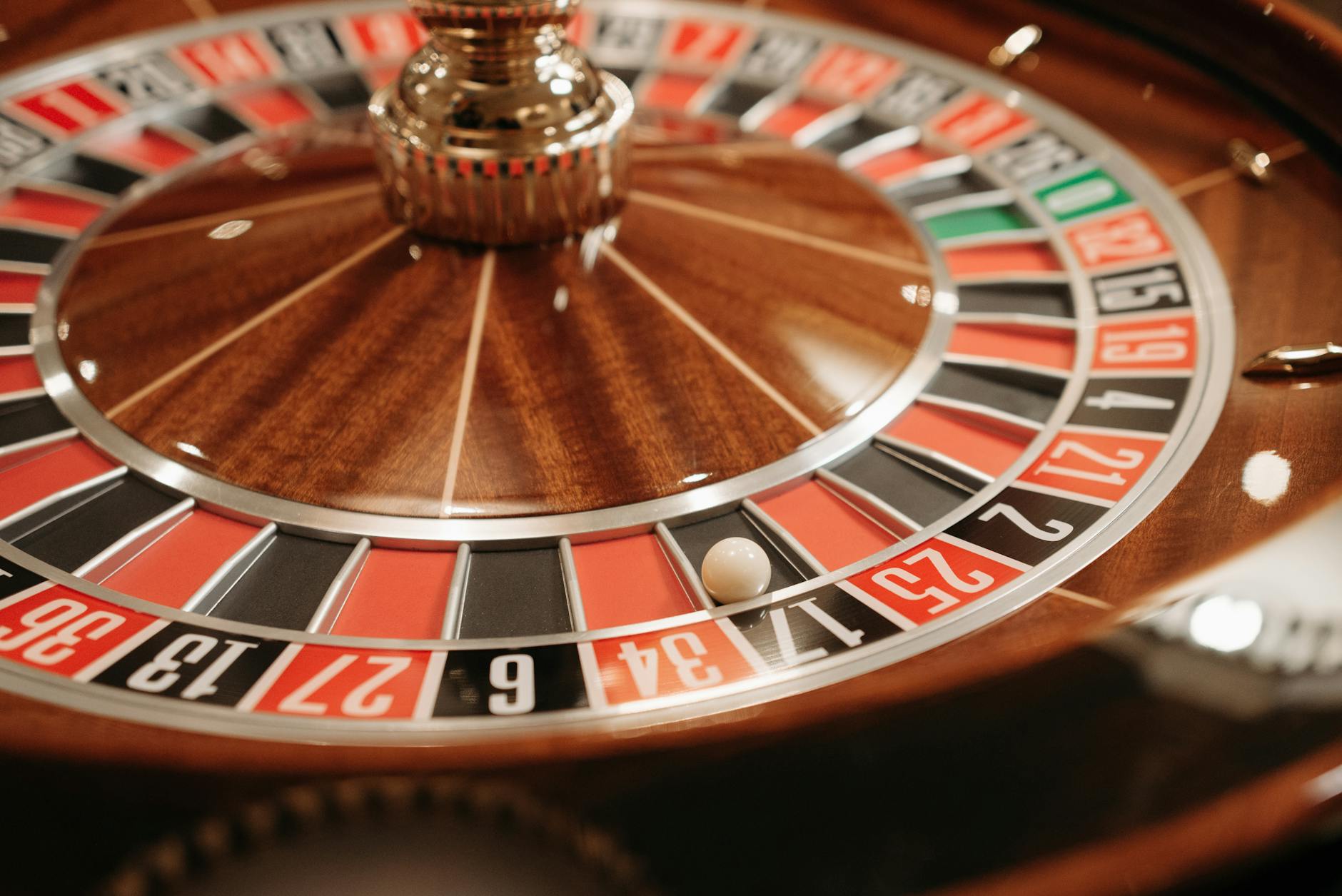
Myth: Faster spins improve your chances of winning
The wheel does not care about tempo. A European roulette game still carries a house edge of 2.70% on every straight mathematical basis, whether the dealer spins once every 90 seconds or once every 20. Faster dealing changes how many decisions you make per hour, not the probability of any single number landing.
That distinction is easy to miss because fast tables feel more “action packed.” In reality, if you wager $10 per spin, 20 spins cost $200 in exposure, while 60 spins cost $600. The edge stays fixed; the sample size triples. Anyone calling speed roulette a shortcut to profit is confusing pace with expectation.
| Game type | Typical RTP | House edge |
|---|---|---|
| European live roulette | 97.30% | 2.70% |
| American live roulette | 94.74% | 5.26% |
Myth: The dealer’s pace changes the math of the table
Casino floors reveal this myth quickly. At Caesars Palace, a speed roulette table ran so cleanly that players started reading intention into the dealer’s movement, as if a quicker chip sweep meant “hot” numbers were coming. It did not. Dealers are procedural, not predictive. The wheel outcome is independent, and a live host cannot tilt the distribution by working faster or slower.
A live roulette stream with a faster cadence can feel more intense because the feedback loop tightens. You wager, you wait less, you react sooner, and your memory of recent results becomes louder than the odds deserve. That is psychology, not probability.
Rule of thumb: if a faster table makes you increase stake size just to keep the same emotional tempo, your real risk is rising even when the game’s edge is unchanged.
Myth: Speed roulette is only worth playing at the biggest brands
Size helps with lobby depth, but “best” is not about logo recognition. The better question is whether the casino offers a live speed roulette table with transparent rules, sensible minimums, and a clear provider page. In many cases, the strongest setup comes from a site that shows the game details cleanly and keeps the session flow smooth, not from the flashiest homepage.
When reviewing casino selection, I look for three measurable signals: table availability across time zones; minimum stakes that match bankroll size; and game information that states the wheel type and side-bet rules without hiding them in fine print. If a casino buries those details, the speed table is probably being sold as excitement first and product second.
For players checking promotional terms around live tables, the VIP conditions on speed roulette should be read with the same skepticism as the wagering terms. Fast play can magnify turnover requirements very quickly, and the math should be checked before the first chip leaves the stack.
Myth: Live speed roulette and studio roulette deliver the same experience
They do not, and the difference shows up in cadence, camera work, and table structure. A standard live roulette table often gives players more breathing room between decisions. Speed roulette trims that pause. The result is a session with less dead time and more bankroll movement per minute, which can suit disciplined players but punish anyone who uses delay to cool off.
Pragmatic Play, one of the major live casino suppliers, has helped normalize this fast format across modern live lobbies, and its studio presentation makes the pace easy to compare against slower tables. The visual polish is useful, but the real value is operational: a clear, consistent stream makes it easier to judge whether the speed suits your betting plan.
For a practical comparison, think in numbers rather than impressions:
- Slower live table: fewer bets, longer decision windows, more time to reassess.
- Speed roulette: more bets, shorter intervals, faster bankroll turnover.
- Same roulette odds: the wheel’s edge does not move with the broadcast pace.
Myth: The best casino is the one with the fastest table clock
Speed alone is a weak filter. The best casino for live dealer speed roulette is the one that combines reliable streaming, reasonable limits, and rules that do not quietly punish frequent play. A slick interface means little if the table disconnects, the bet window is too short for responsible staking, or the bonus terms are built to absorb volume faster than the player can process it.
One useful test is simple: compare the game page, the live lobby behavior, and the cashier limits as one system. If a casino can support quick rounds without lag, displays the roulette rules clearly, and avoids awkward friction around deposits or withdrawals, it earns trust. If not, the speed is just decoration.
That is why the best live speed roulette casinos are usually the ones that respect pacing without pretending pacing changes probability. The wheel is still the wheel. The dealer is still a dealer. Only the tempo shifts, and tempo is a bankroll-management issue, not a winning system.